How to evaluate the quality of a faucet
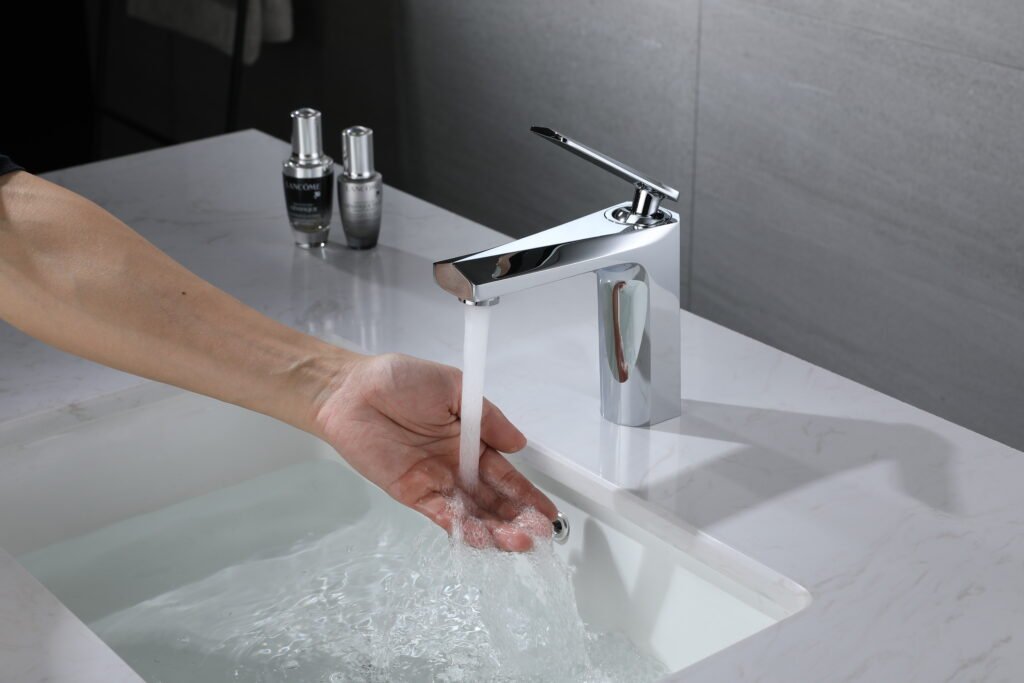
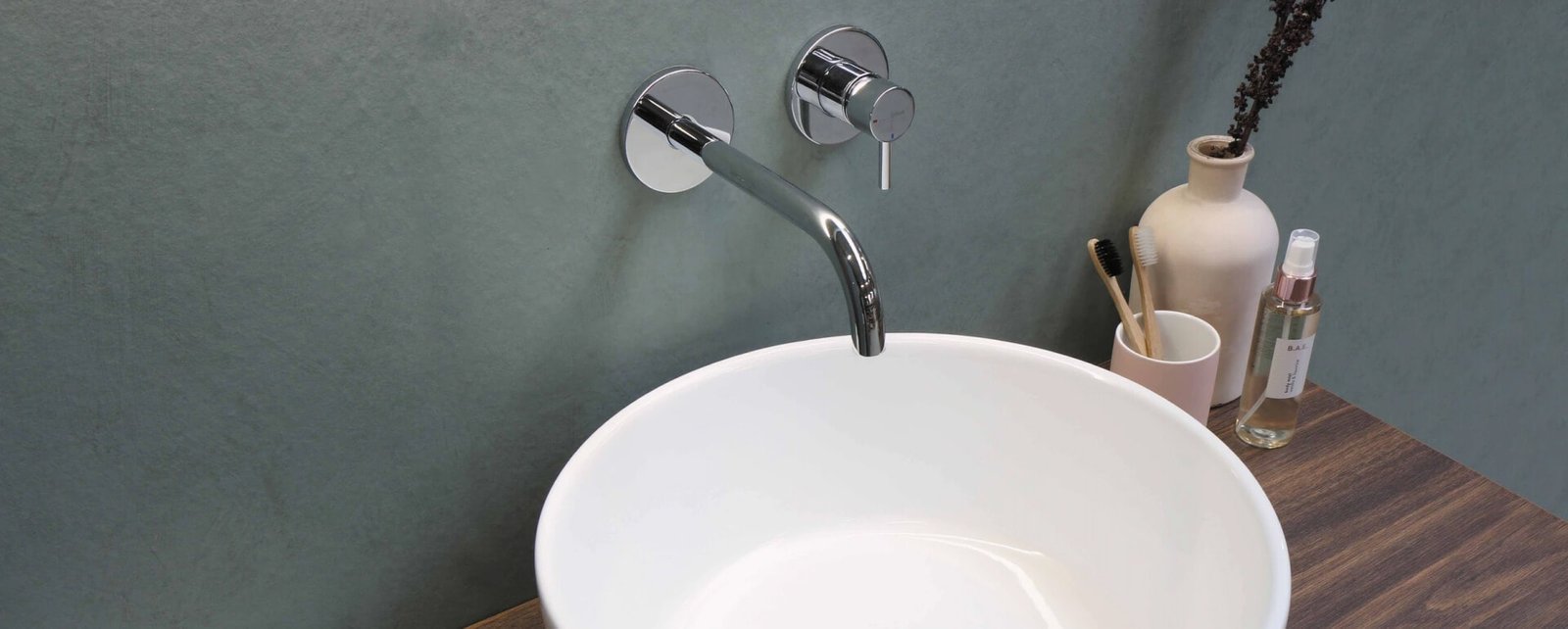
In modern bathroom design, faucets are not just basic functional components—they directly impact the user experience and household water bills. As consumers increasingly demand higher quality and eco-friendly products, choosing a high-quality faucet has become an essential part of home renovation. This article will help you choose the right faucet by exploring technical details and purchasing advice.
Evaluating Faucet Quality: How to Choose High-Quality Products Based on Technical Standards
Material Selection: Determines the Lifespan and Durability of the Faucet
In bathroom environments, faucets are exposed to high humidity over long periods, and the material choice directly affects their lifespan, corrosion resistance, and oxidation resistance. The three main materials commonly used for faucets are:
- Brass: Brass faucets are highly favored for their excellent corrosion and oxidation resistance. According to the China Sanitary Ware Association’s 2025 data, brass faucets hold 68% of the market share. Brass faucets typically last 8-10 years with proper usage and are highly resistant to rust.
- Stainless Steel: Stainless steel faucets offer high corrosion resistance and modern aesthetics, but they are more expensive to produce. Compared to brass, some models have slightly lower oxidation resistance and require more careful maintenance.
- Zinc Alloy: Although zinc alloy faucets are more cost-effective, they may crack or degrade over time, especially in high-humidity environments. Zinc alloy faucets are generally suitable for short-term use.
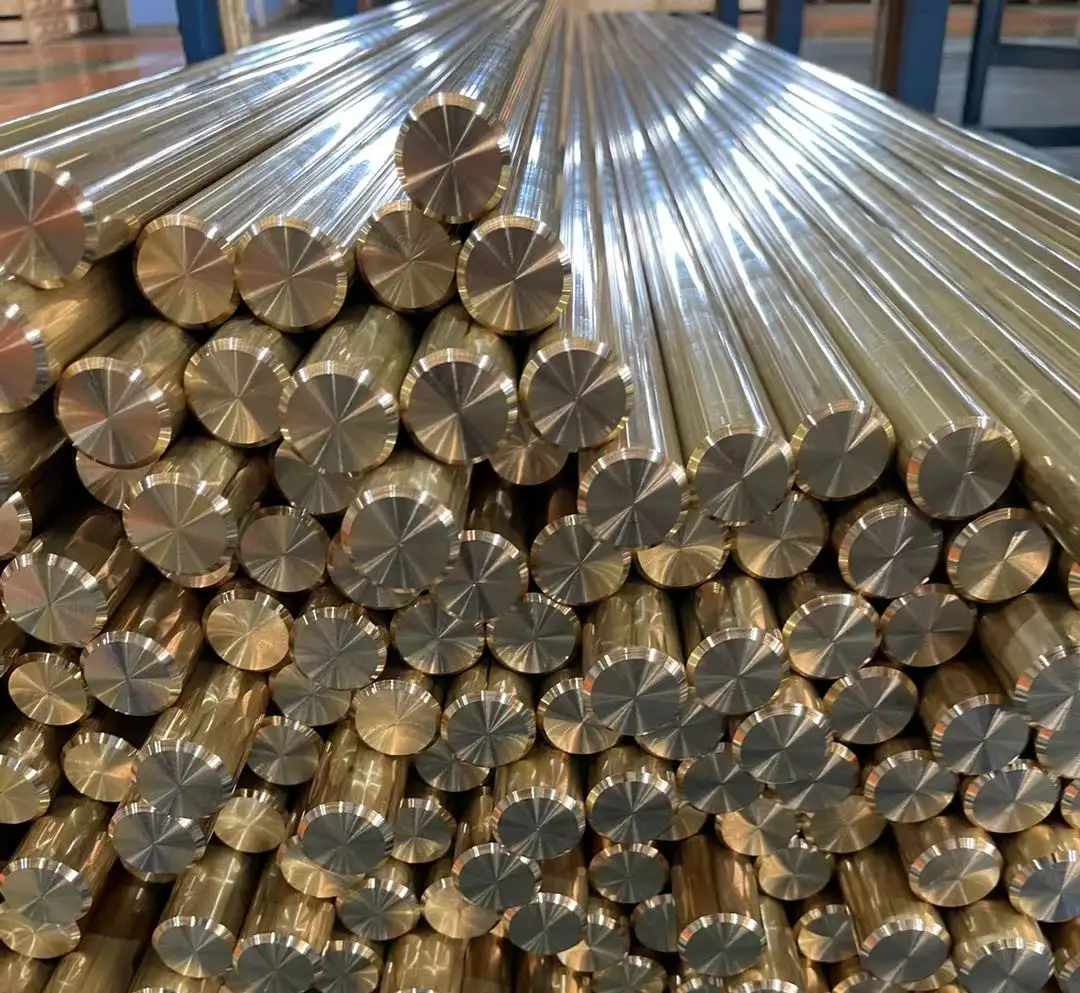
Material Test: A simple magnetic test can help identify if the faucet is made of brass. Brass faucets will not be attracted to a magnet, while zinc alloy faucets will show slight magnetic attraction.
Ceramic Cartridge Quality: The Key Component for Controlling Water Flow and Temperature
The ceramic cartridge in a faucet controls water flow and temperature stability. This part is crucial for regulating water and ensuring accurate adjustments. High-quality ceramic cartridges can withstand over 500,000 uses and are highly effective at preventing leaks. The quality of the cartridge directly affects the durability and user experience of the faucet.
Ceramic Cartridge Quality Test: When purchasing a faucet, check the handle movement. A high-quality ceramic cartridge should feel smooth and free of sticking or wobbling.
Water-Saving Features: Meeting Environmental Needs
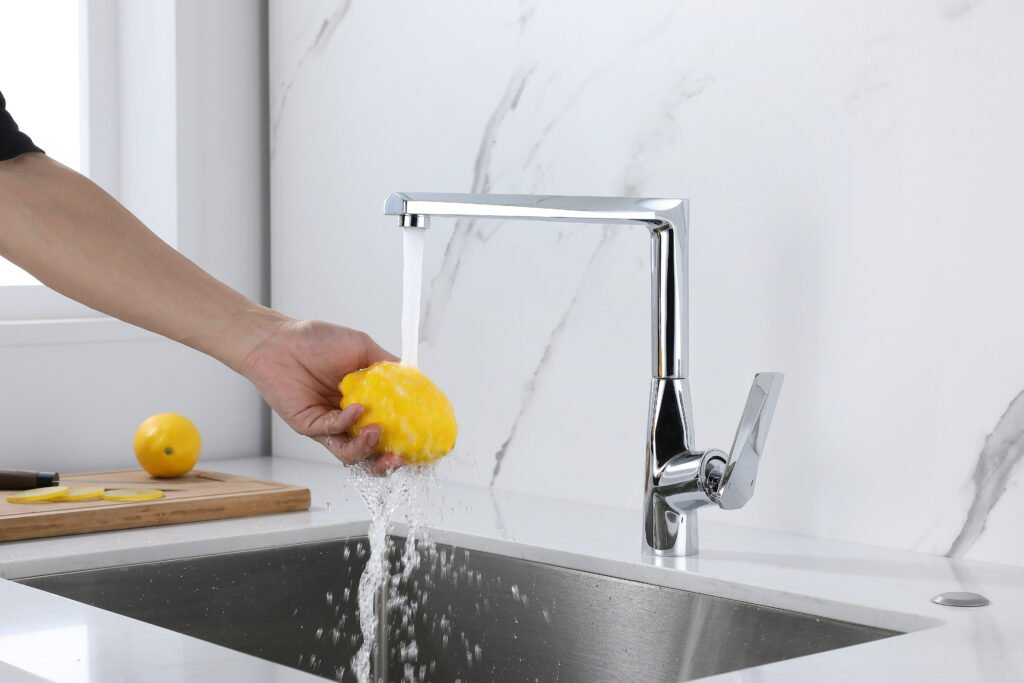
With global emphasis on environmental protection, water-saving features have become an important consideration in faucet selection. High-quality faucets typically feature aerators that reduce water flow while maintaining pressure. According to the 2025 market report, faucets with aerators not only reduce water flow but also produce richer foam, minimizing noise during high water flow.
How to Choose a High-Quality Faucet: Three Key Purchasing Tips
Surface Gloss and Coating Quality
High-quality faucets feature multiple layers of plating and smooth, flawless surfaces that effectively prevent scratches and corrosion. Consumers can use a reflection test to check the gloss and thickness of the faucet’s plating. The mirror-like effect should remain clear without noticeable distortion.
Weight and Feel
The weight of the faucet can directly reflect its material quality. Brass faucets are about 30% heavier than zinc alloy faucets. The handle should rotate evenly and smoothly, without any looseness. If the handle feels uneven or difficult to rotate, it could indicate a problem with the cartridge quality.